
How NRIs Can Manage Their Property in Chennai While Living Abroad
A practical guide for NRIs on managing a Chennai property from abroad: choosing a model, on-ground representation, tenants, maintenance, documents and updates.
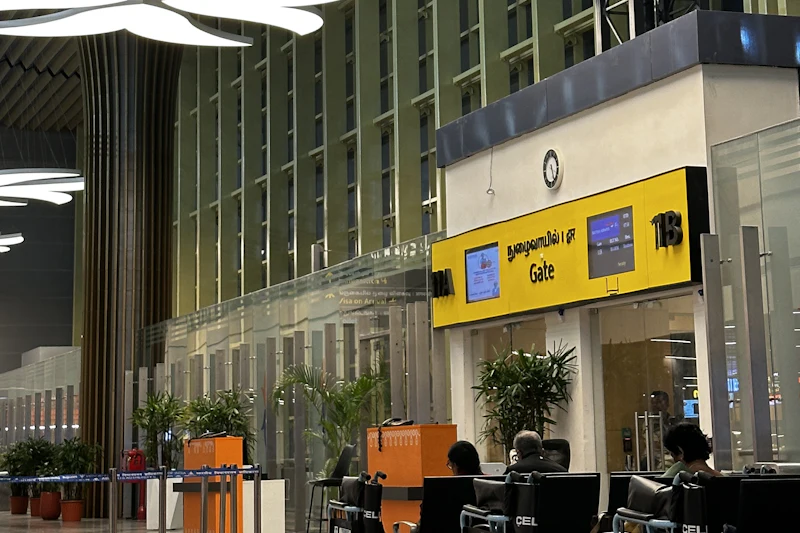
Owning a flat or house in Chennai while working in Dubai, Singapore, London or the US is common, and so is the worry that comes with it. Who checks the property after a heavy rain? Who answers when the tenant calls about a leaking tap at midnight your time? Who makes sure the maintenance dues and property tax are paid?
The good news is that managing a Chennai property from abroad is entirely possible. It simply needs a clear plan, the right people on the ground and a reliable way for information to reach you. This article walks through how to set that up, step by step.
Start by deciding what you want from the property
Before you think about who will manage it, be clear about what the property is for over the next few years. Your answer shapes almost every other decision.
- Rental income: You want a tenant in place, rent arriving on time and the property kept in reasonable condition.
- Holding for future use: You plan to return, or family members may move in later, so the priority is preserving the property while it stays empty.
- Occasional personal use: You visit once or twice a year and want the home ready when you land.
- Preparing to sell: You need the property presentable, documents in order and someone to coordinate visits.
Write this down and share it with whoever helps you. A caretaker who thinks you want a tenant, when you actually want the flat kept empty for your parents, will make the wrong calls.
Choose a management model that fits
NRI owners in Chennai usually rely on one of three arrangements. Each can work; each has trade-offs.
1. A relative or friend
This is the most familiar option. It costs little and comes with trust. The difficulty is that relatives have their own jobs and families, may not be comfortable handling tenant disputes or contractors, and can feel awkward telling you bad news. Over time, many owners find the arrangement strains relationships.
2. An individual caretaker or broker
A neighbourhood broker may find a tenant, and a caretaker may hold keys. However, responsibilities are often informal, records are thin and there is rarely a written report of what was checked or spent.
3. A professional property manager
A property management company takes on defined responsibilities under a written arrangement: tenant coordination, inspections, maintenance follow-up and regular reporting. For owners who want structure and documentation, this is often the most sustainable option. You can explore what this involves on our NRI property management page.
Whichever you choose, put the scope in writing, including what decisions the person can take alone and which need your approval.
Appoint a trusted representative in Chennai
Even with excellent communication, some tasks need a person physically present in Chennai: meeting a plumber, attending an apartment association meeting, collecting keys from a departing tenant, or receiving a notice from the building office.
A representative in Chennai acts as your eyes and hands. Agree on:
- Who holds the keys and how access is recorded
- A spending limit for urgent repairs without prior approval
- How quickly you expect to be informed of problems
- How receipts and photos will be shared
For certain legal or registration tasks, you may need to authorise someone formally, for example through a power of attorney. The requirements for executing and using such a document from abroad can be technical, so speak to a qualified advocate in Chennai before you draft or sign one.
Get your paperwork organised before anything goes wrong
Many NRI property problems start with missing documents. Keep scanned copies, stored securely in the cloud, of:
- Sale deed and any previous title documents
- Encumbrance certificate and patta (for independent houses and plots)
- Latest property tax receipts from the Greater Chennai Corporation or the relevant civic body
- Electricity and water connection details, with consumer numbers
- Apartment association membership and maintenance records
- Current rental agreement and tenant identity documents, if let
Rental income, tax deducted at source on rent paid to non-residents, and repatriation of funds involve Indian tax and foreign exchange rules that change from time to time. Treat this as an area for a qualified chartered accountant, and ask them to review your situation each financial year.
Plan for tenants carefully
If you intend to let the property, the tenant you choose matters more than almost anything else. A good tenant pays on time, reports problems early and treats the home with care.
From abroad, you cannot meet every applicant in person, so the process needs to be thorough on your behalf:
- Advertise accurately, with honest photos and a clear description.
- Screen enquiries for budget, family size, occupation and expected tenure.
- Verify identity, employment and previous rental history. Our tenant background verification service covers this stage.
- Prepare a written rental agreement and complete registration formalities as applicable in Tamil Nadu.
- Record the property’s condition at move-in with dated photos and an inventory.
Keep up with maintenance, especially around the monsoon
Chennai’s climate is demanding. Heat and humidity through most of the year, and the north-east monsoon from roughly October to December, test roofs, terraces, window seals and drainage. Coastal air can also speed up corrosion of grills and fittings.
A sensible maintenance rhythm for an absentee owner includes:
- A pre-monsoon check of the terrace, drains, sunshades and window seals
- Periodic pest and termite inspection, particularly for wooden fittings
- AC servicing before the hotter months
- Water tank cleaning at regular intervals
- A post-monsoon check for damp patches, seepage and electrical issues
When something does need fixing, insist on before-and-after photos and an itemised bill.
Set up a reporting rhythm you can rely on
The single biggest source of anxiety for NRI owners is not knowing. A predictable reporting rhythm solves much of this. Decide on:
- Routine updates: A short summary at an agreed frequency covering rent status, any issues and upcoming dues.
- Inspection reports: Photos and notes from each visit, ideally room by room.
- Financial records: A statement of rent received, expenses paid and receipts attached.
- Exception alerts: Immediate messages for anything urgent, such as a leak, a break-in attempt or a tenant dispute.
Regular property status updates let you see the property’s condition over time rather than relying on memory or occasional phone calls.
A quick checklist for NRI owners
- Purpose of the property defined and shared
- Management model chosen, with responsibilities in writing
- Representative in Chennai appointed, with key custody recorded
- Documents scanned and stored securely
- Chartered accountant consulted on tax and repatriation
- Tenant verification and rental agreement process in place
- Seasonal maintenance plan agreed
- Reporting frequency and format confirmed
How Flourrish can help
Flourrish works with NRI owners who want a structured, documented way to look after their Chennai property. Depending on what you need, we can act as your point of contact in Chennai, coordinate tenants and maintenance, carry out scheduled property inspections and share regular updates with photos. We coordinate vendors and professionals rather than replacing your advocate or chartered accountant, and we agree the scope and any applicable charges with you before work begins.
If you would like to talk through your property and what kind of support would suit it, contact us or send us a message on WhatsApp.
This article is for general information only and does not constitute legal, tax or financial advice. Rules and procedures can change; please consult a qualified professional for advice on your situation. Written by the Flourrish Editorial, Flourrish Property Management.
Back to all blogs