
Why Regular Property Inspections Are Important for NRI Owners
Why NRI owners in Chennai should schedule regular property inspections: what to check, how often, what a good report contains and how to act on findings.
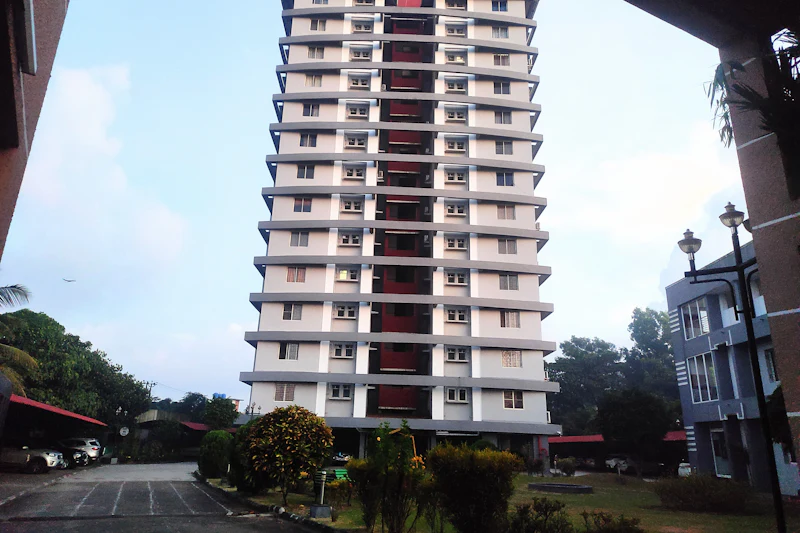
When you live overseas, your Chennai property exists for you mostly as a memory and a few photographs. Meanwhile, the building itself is changing every day. Paint fades, seals harden, pipes age and, after each monsoon, small weaknesses become a little larger.
Regular inspections close the gap between what you imagine and what is actually happening at the property. This article explains why they matter so much for NRI owners, what a useful inspection covers and how to turn findings into action.
Problems grow quietly when no one is looking
Most serious property damage does not happen overnight. It starts small and grows because nobody notices.
- A slow drip under a kitchen sink soaks into the cabinet base and then the wall.
- A blocked terrace outlet holds rainwater, which seeps into the ceiling below.
- A few termites in a door frame become a colony that spreads to wardrobes.
- A loose window latch lets in rain, dust and, occasionally, intruders.
In each case, an early visit would have caught the issue when it was cheap and simple to fix. Inspections are not about finding disasters; they are about preventing them.
Why inspections matter even more for NRI owners
Owners living in Chennai drop by, hear from neighbours and notice changes on their way past. NRI owners usually cannot. That creates specific risks.
You depend on others’ observations
Without inspections, your information comes from tenants, relatives or the building watchman. Each has a partial view and their own priorities. A structured inspection gives you an independent, consistent record.
Time zones delay responses
By the time a problem reaches you, it may already be several days old. Scheduled visits shorten the gap between a problem appearing and someone seeing it.
Disputes need evidence
If you need to discuss damage with a tenant, a contractor or the apartment association, dated photos from earlier inspections are far more persuasive than recollections.
Insurance and resale depend on condition
A well-documented maintenance history supports insurance conversations and helps when you eventually sell. Buyers and their inspectors notice neglect.
What a thorough inspection should cover
A walk-through that just confirms “everything is fine” is of little value. A proper inspection follows a checklist and records what was observed, room by room.
Structure and envelope
- Walls and ceilings for cracks, damp patches, peeling paint or fungal growth
- Terrace or roof for cracks, ponding and blocked outlets
- Sunshades, parapets and external walls for visible deterioration
- Balcony drainage and waterproofing
Water and plumbing
- Taps, mixers and flush tanks for leaks
- Under-sink areas and concealed pipe zones for moisture
- Overhead and sump tanks for cleanliness and lid condition
- Bathroom floors for slope and drainage
Our water leakage and dampness checks focus specifically on this area, which is often where the costliest damage begins.
Electrical
- Main switchboard and circuit breakers
- Visible wiring, sockets and switches for scorching or looseness
- Earthing indicators, inverter and battery condition where present
- Lights, fans and geysers in working order
Security and access
- Doors, locks, grills and window latches
- Evidence of unauthorised entry or use
- Condition of keys and any access cards
Pests
- Termite tracks or mud tubes on walls and woodwork
- Signs of rodents, cockroaches or mosquito breeding in stagnant water
Common areas and surroundings (for apartments)
- Notices from the apartment association
- Condition of the parking slot and any storage allotted to the flat
How often should a property be inspected?
There is no single right answer. Frequency depends on whether the property is occupied, its age, its construction and your own comfort level. As a general guide:
- Vacant properties benefit from more frequent visits, since nobody is there to report a problem.
- Tenanted properties are usually inspected less often, with reasonable notice to the tenant and in line with the rental agreement.
- Seasonal timing matters in Chennai. A check before the north-east monsoon (which typically arrives around October) and another after it ends (around December) can catch issues at the most useful moments.
- Event-based visits make sense after a cyclone warning, extended power cuts, heavy rain or a reported problem in the building.
Discuss your property’s situation and agree a schedule you can sustain.
What a good inspection report looks like
The report is what you actually receive, so it deserves attention. A useful report should include:
- Date and time of the visit, and who carried it out
- A room-by-room checklist with clear status notes
- Photos, and video where helpful, labelled by location
- Specific observations, not vague summaries (“hairline crack above bedroom window, approx. palm-length” rather than “minor issues”)
- Recommended actions, ranked by urgency
- Comparison with previous reports, where changes are noticed
Photo and video inspection reports are particularly helpful for owners abroad, since they let you see the property almost as if you were standing in it.
Turning findings into action
An inspection only adds value if someone acts on what it finds. A simple approach:
- Urgent: Active leaks, electrical hazards, security breaches. Act immediately, with a pre-agreed spending limit.
- Soon: Damp patches, early termite signs, failing seals. Schedule repairs within the next few weeks, ideally before the monsoon.
- Monitor: Hairline cracks, cosmetic wear. Photograph again at the next visit to see whether anything has changed.
Ask for quotes and before-and-after photos for any work. Over time, your inspection history becomes a record of how the property has been cared for, and a periodic property condition report can summarise this for you.
An inspection-day checklist for owners
If you are briefing someone to inspect for you, share a list like this:
- Open all windows briefly to air the property
- Run every tap and flush, then check for leaks
- Switch on lights, fans and appliances to confirm they work
- Check ceilings below bathrooms and the terrace for damp
- Look along skirting and door frames for termite tracks
- Test every lock and latch
- Photograph each room from the same angle as last time
- Note any notices or letters received
- Lock up and confirm key custody
How Flourrish can help
Flourrish arranges scheduled property inspections in Chennai for vacant and tenanted homes. Flourrish follows a checklist, records observations with photos and video, and shares a written report so you can see the property’s condition from wherever you are. Where repairs are needed, we can coordinate vendors with your approval. Inspection frequency and scope are agreed with you in advance, and you can learn more about related support under vacant property care.
To set up an inspection plan, contact us or message us on WhatsApp.
This article is for general information only and does not constitute legal, tax or financial advice. Rules and procedures can change; please consult a qualified professional for advice on your situation. Written by the Flourrish Editorial, Flourrish Property Management.
Back to all blogs