Complete Guide to Apartment Maintenance
A practical guide to apartment maintenance in Chennai: what owners handle versus the association, seasonal checks, plumbing, electrical, damp and pest care.
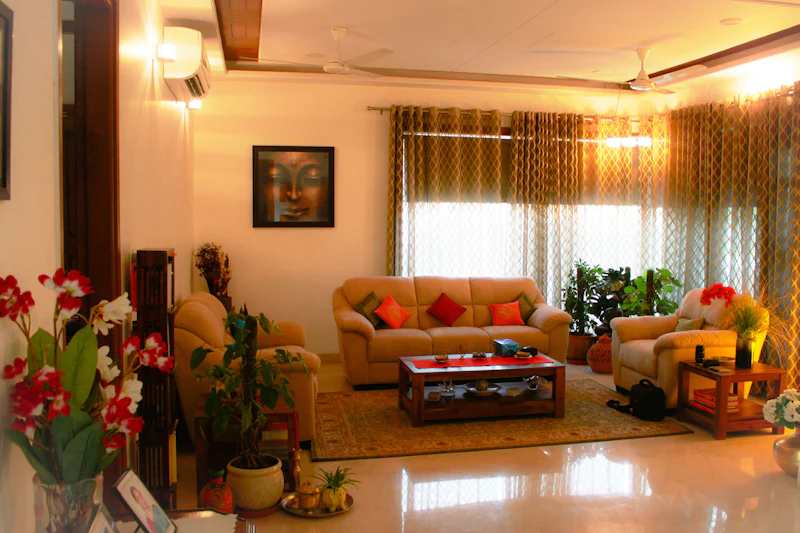
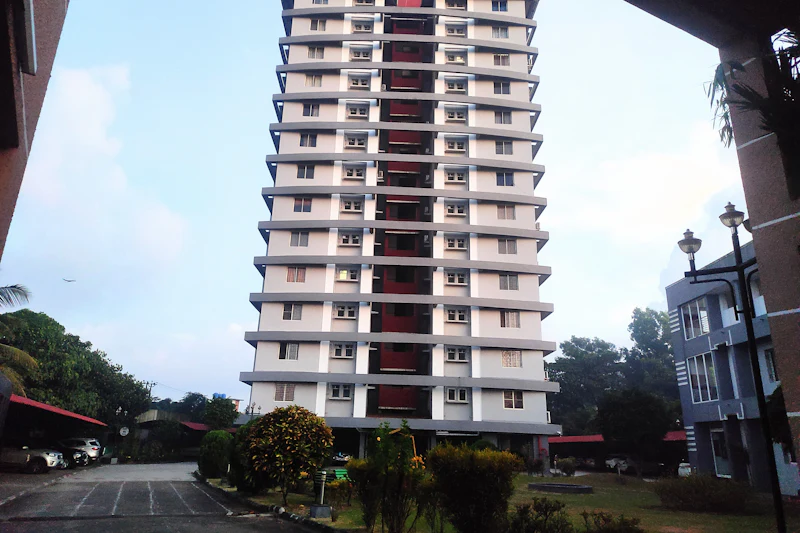
An apartment looks low-maintenance compared with an independent house. There is no roof to worry about, no compound wall to repaint and usually a security guard at the gate. Yet flats in Chennai quietly accumulate problems of their own: a slow leak under the kitchen sink that soaks into the flat below, a balcony drain choked with leaves before the monsoon, an AC drain line that drips onto a neighbour’s window.
This guide explains what apartment owners are typically responsible for, what usually falls to the association, and how to build a simple routine that keeps your flat in good condition whether you live in it, rent it out or own it from abroad.
Know where your responsibility ends
The first step in apartment maintenance is understanding the boundary between your flat and the common areas. Every building’s bye-laws and association rules are different, so read yours carefully, but the general pattern looks like this.
Usually the owner’s responsibility
- Everything inside the flat: internal plumbing lines, taps, fittings, bathroom and kitchen waterproofing within your unit
- Internal electrical wiring from your distribution board onwards, switches, sockets and light fittings
- Doors, windows, grills, balcony railings attached to your unit
- Appliances, water heaters, water purifiers and air conditioners, including outdoor AC units
- Internal painting, flooring, woodwork and modular kitchen fittings
Usually the association’s responsibility
- Lifts, generators, common water pumps and sumps
- Overhead tanks, terrace waterproofing and external walls
- Corridors, staircases, parking areas and common lighting
- Security, common area cleaning and garbage handling
Grey areas are common. A leak through your bathroom ceiling might come from the flat above, from a shared vertical pipe, or from the terrace. When in doubt, raise it with the association in writing and keep a record. That paper trail matters if the repair involves more than one owner.
A month-by-month way of thinking
You do not need a complicated schedule. Grouping tasks by frequency is enough for most flats.
Every month
- Run every tap and flush, including those in rarely used bathrooms, and look for drips or slow drainage
- Check under the kitchen and wash basin for damp cabinet bases
- Clean AC filters if the units are in regular use
- Test the main circuit breaker’s residual current device (RCD/ELCB) using its test button, if your board has one
- Clear balcony and utility area floor drains
Every three to six months
- Clean or descale shower heads, aerators and geyser inlets, especially if your building’s water is hard
- Inspect silicone sealant around wash basins, kitchen counters and shower areas; reseal where it has cracked
- Look at window frames and grills for rust, particularly if you are closer to the coast
- Check that main door locks and hinges operate smoothly; lubricate if needed
- Arrange AC servicing before the peak summer months
Once a year
- A general pest control treatment, with specific attention to termites if you have wooden wardrobes or a wooden kitchen
- A review of the electrical board by a qualified electrician: loose connections, heating at the switches, old wiring
- A thorough clean of kitchen chimney filters, exhaust fans and hard-to-reach areas
- A walk-through of the whole flat noting cracks, peeling paint and stains so you can plan repairs
The Chennai factors that matter most
Humidity and dampness
Chennai’s humidity means walls, wardrobes and bathrooms rarely dry out fully. Dampness shows up as musty smells, black spots behind furniture and paint bubbling near skirting levels. Keep bathrooms ventilated with exhaust fans running for a while after use, leave wardrobe doors open periodically and avoid pushing furniture flush against external walls.
The north-east monsoon
Most of Chennai’s heavy rain falls during the north-east monsoon, roughly from October to December. Before it begins, check:
- Balcony and utility drains are free-flowing
- Window beading and sealant are intact, so wind-driven rain does not seep in
- AC wall openings and pipe penetrations are sealed
- Any old damp patches have been investigated rather than just repainted
If you see water stains on ceilings or along external walls after the first heavy rain, deal with them early. Persistent seepage usually needs a proper diagnosis and waterproofing and leakage repairs, and the source may be outside your flat.
Salt air and corrosion
Flats closer to the coast see faster corrosion of grills, window hardware, outdoor AC units and exposed switchgear. Wiping metal surfaces, touching up paint on grills and checking outdoor units more often helps slow it down.
Hard water
Many parts of Chennai depend partly on borewell or tanker water, which can leave white scale on taps, tiles and heating elements. Periodic descaling of geysers and fittings, and a suitable water softener or filter where appropriate, can reduce wear on fixtures and appliances.
Plumbing: the most common source of trouble
In apartments, plumbing issues spread. A leak you ignore can damage your neighbour’s ceiling, which turns a small repair into a dispute. Watch for:
- Damp patches on the ceiling of the flat below (ask your neighbours to tell you)
- A water meter that moves when every tap is closed
- Gurgling drains or bad smells from floor traps
- Loose or wobbly closets and wash basins
For anything beyond replacing a washer, it is worth calling in plumbing repairs rather than attempting a fix that disturbs concealed pipes or tile joints.
Electrical safety
Older apartments in particular may have wiring that was not designed for today’s load of ACs, induction cooktops and multiple chargers. Signs that need attention include warm switch plates, frequent breaker trips, flickering lights and a burning smell near sockets. Do not overload extension boards, and have any changes to wiring carried out by a qualified electrician. Coordinated electrical repairs can include inspecting the distribution board and replacing worn switches.
Cleaning that protects the flat
Regular sweeping and mopping keeps a flat presentable, but it does not reach the areas where grime causes real damage: grease build-up in kitchen ducts, soap scum and scale in bathrooms, dust packed inside window channels. A periodic deep cleaning session tackles these, and is especially useful before a new tenant moves in or after the monsoon.
Working with your apartment association
A good relationship with the association makes maintenance far easier.
- Keep maintenance dues paid on time so you have standing when you raise issues
- Share an alternative contact if you live outside Chennai, so the association can reach someone in Chennaily
- Inform the association before starting any significant work and follow its rules on timing, debris removal and lift usage
- Report common-area problems you notice, such as a seeping terrace or a faulty pump, in writing
- Keep copies of notices, minutes and correspondence related to your flat
If you own a flat but do not live in it
Rented and vacant flats need a slightly different approach. A tenant may not report small issues, and an empty flat can develop leaks, pest activity or dampness that no one notices for months. Scheduled inspections with photos, an agreed process for repairs and a clear record of what was done all help. Our page on apartments and flats explains how this works for different kinds of owners.
A simple apartment maintenance checklist
- All taps, flushes and drains checked
- No damp patches on walls or ceilings
- Balcony and utility drains clear
- AC filters cleaned; AC serviced before summer
- RCD/ELCB tested
- Grills and window hardware free of heavy rust
- Pest control done in the last year
- Association dues paid and contact details updated
- Notes kept of every repair and its date
How Flourrish can help
Flourrish coordinates maintenance for apartment owners across Chennai, including preventive maintenance planning, plumbing and electrical repairs, AC servicing, pest control, waterproofing and deep cleaning. We arrange suitable technicians, supervise the work where required and share updates with you, which is particularly useful if you live abroad or in another city. We can also liaise with your association on common-area issues affecting your flat. Charges depend on the scope of work, and we share them before anything begins.
To discuss your flat, contact us or send us a message on WhatsApp.
This article is for general information only and does not constitute legal, tax or financial advice. Rules and procedures can change; please consult a qualified professional for advice on your situation. Written by the Flourrish Editorial, Flourrish Property Management.
Back to all blogs